
I’m So Lonesome I Could Cry – Jam Workshop
🧭 Overview
Welcome to the I’m So Lonesome I Could Cry workshop, featuring the classic Hank Williams tune. Whether you know the song inside out or you’re hearing it for the first time, this session is designed for you. We’ll break the song into small chunks, learn by ear, explore basic melody and chords, experiment with singing (or humming, or grumbling—whatever you like), and add some creative variation.
🎶 Lesson Content
A part
First quarter: D2-0-2-0-2-0-G1-D0
Second quarter: D2-0-2-0-G1-1-D2
Third quarter: D3-0-3-A0-0-D2-0-2
Fourth quarter: A0-0-D2-1-2-0
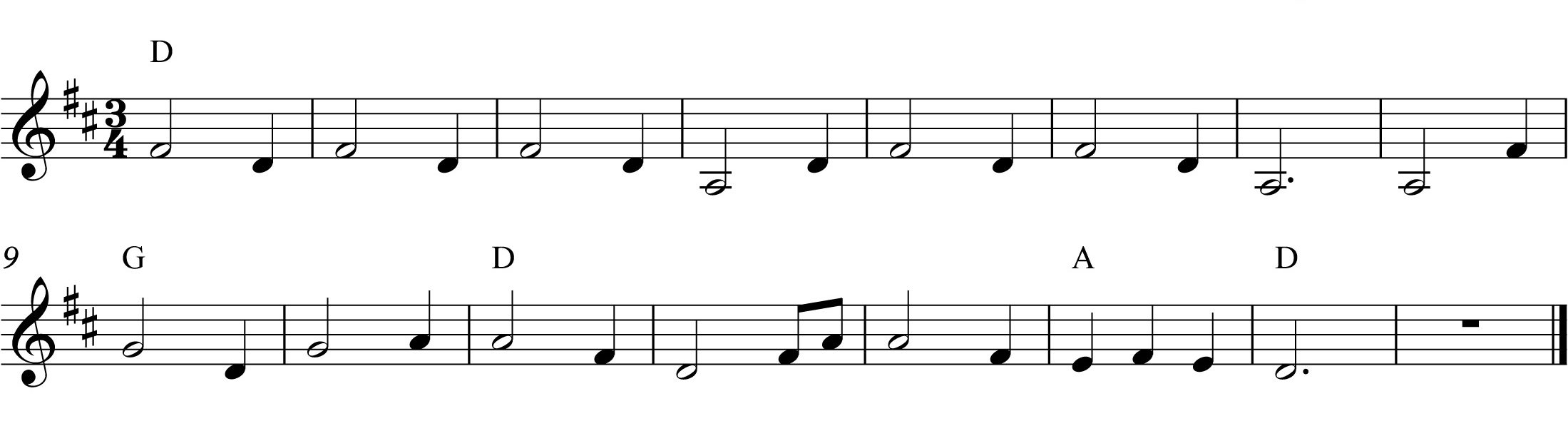
I’m So Lonesome I Could Cry PDF
Lyrics
🪜 Learning Steps
Warmup With Scales
D Major scale: D0-1-2-3-A0-1-2-3
Make a Custom Scale
Instead of running up and down the whole D major scale, we create a “song scale”—just the notes you need for this tune. Practicing these key notes makes it easier to memorize the melody and play with confidence.
For this song, our custom scale is: G1-D0-1-2-3-A0
Learn the Basic Melody (Key of D)
We start by learning the melody through call-and-response. You’ll get the notes one by one, slowly, with a focus on phrasing and tone rather than speed. If you get stuck, let me know—chances are, someone else is right there with you.
Try Singing (or Humming) the Melody
Singing—even quietly or just humming—connects your ear, voice, and instrument. If you’re not a singer, no pressure! Humming or whistling is totally fair game and helps build musical memory. For the song’s opening, try singing along or simply play the line repeatedly.
Alternate Singing and Playing
Next, we alternate: sing a line, play a line. This method deepens your memory and helps you internalize the phrasing. If you want an extra challenge, try playing and singing at the same time—just start with a single note and syllable.
Call-and-Response on Melody Chunks
We break down the song into small melodic phrases. I play, you echo. Take your time, loop tricky spots, and let muscle memory do its thing. The focus is on connecting each new chunk to the last, using “chaining” to build up the full song.
Chords: Backup Basics
We review the chord progression (D, G, and A) and practice basic chord backup—starting with simple quarter-note rhythms, then exploring longer sustained chords for a fuller sound. If you’re new to chords, keep it simple; if you’re more advanced, try adding slides or arpeggios.
Chord Transitions
Practice switching between D and G, D and A. Spend time looping the transitions so you can play through the song smoothly. Advanced players can try adding slides or double stops for color.
Combine Vocals + Chords
Try alternating singing a line and playing chords underneath, or break things into short chunks and combine melody and harmony at your own pace. Adjust the key or octave to fit your voice if needed.
Add Variation and Expressiveness
Once you’re comfortable, start playing around with slides, double stops, and other ornaments.
Improvise!
Experiment with improvising short phrases on the D major scale—echo, respond, or invent a fill at the end of a phrase.
Transpose to A Major (Optional Challenge)
Ready for a challenge? Try playing the melody and chords in A major. It’s a fun way to test your ear and add a new flavor to the song.
It starts:
A2-0-2-0-2-0-D1
Reflect
-
What did you learn in this workshop?
-
Was there a melody or chord that tripped you up?
-
Which practice step felt most helpful?
-
Try this: What would happen if you played the tune in a different key, or hummed it while cooking dinner?
Summary
-
Learned the melody for I’m So Lonesome I Could Cry through call-and-response.
-
Built a custom scale with just the song’s key notes.
-
Practiced singing, humming, and playing—sometimes all at once.
-
Explored chords, transitions, and simple backup patterns.
-
Added creative variation and tried a bit of improvisation.
🚀 Further Learning
Keep the workshop momentum going! Here’s how:
-
Practice the melody and chords in small daily sessions.
-
Try singing or humming the tune away from your instrument—on a walk, in the shower, or while driving.
-
Apply these practice steps to other songs you’re learning.
-
Challenge yourself: play the tune in a new key, add a slide or double stop, or invent your own fill.
-
For chord backup, try playing along with recordings or with other musicians.
-
Check out related lessons on melody building, chord transitions, backup techniques, and improvisation.
Related Lessons
I’m So Lonesome I Could Cry – Basic Lesson
I’m So Lonesome I Could Cry – Solo
Jam With Friends Using These 3 Easy Fiddle Chords
[SLF: 1] Introduction To Sliding On The Fiddle
Return to Guided Practice Sessions >>
Leave a Reply
You must be logged in to post a comment.
Sorry I missed this one – will go through recording. Got the time mixed up.
I just re upped my subscription and took this workshop, I had a blast! Thanks Jason🎻